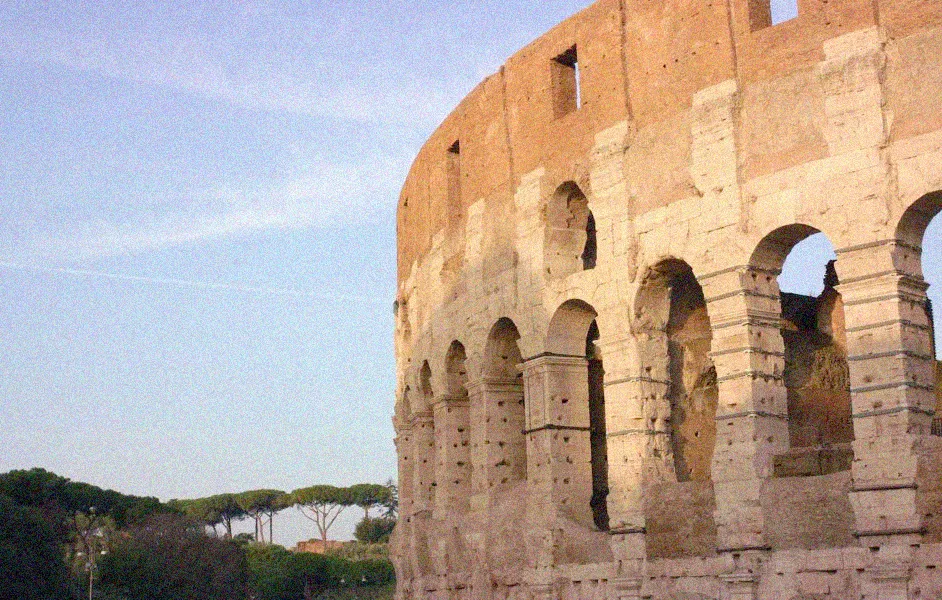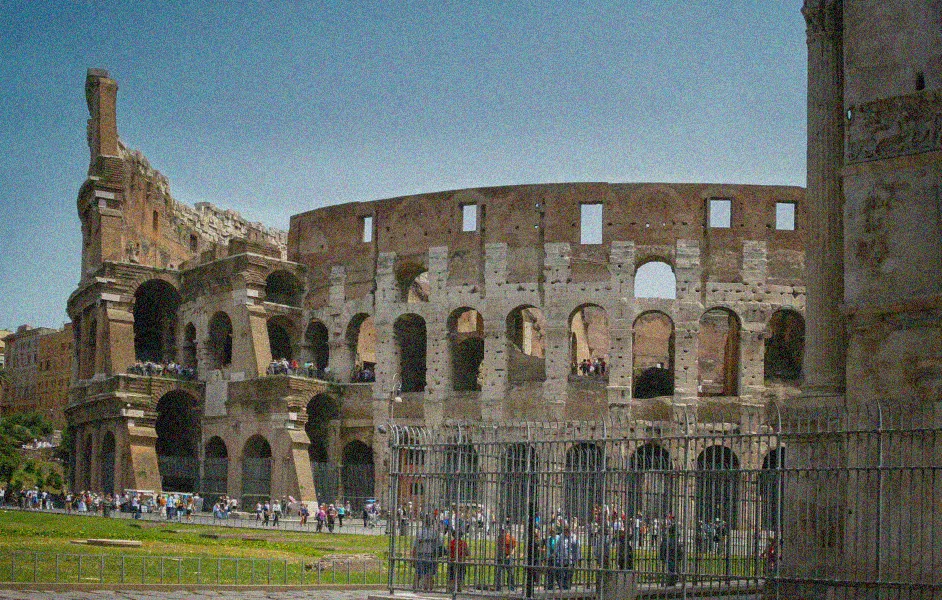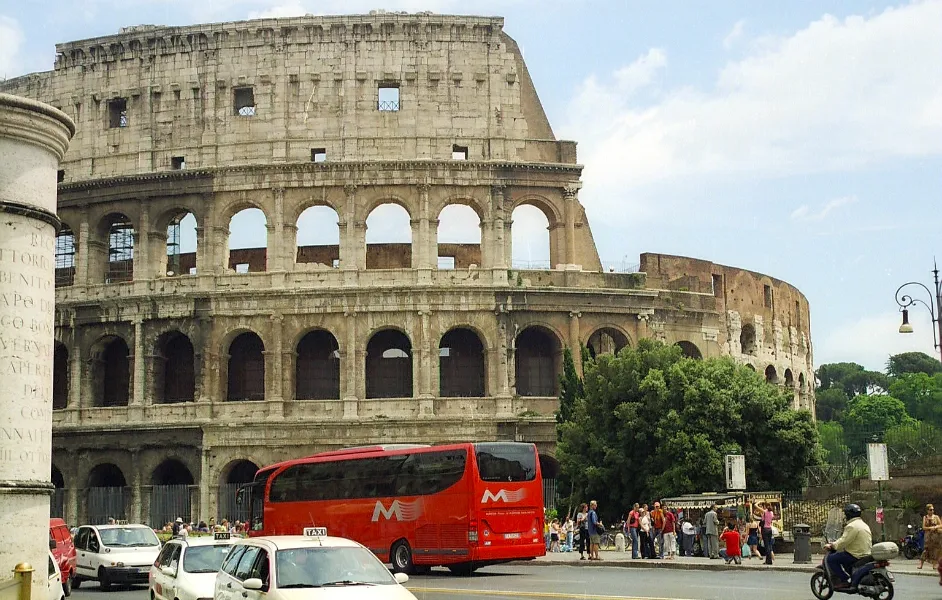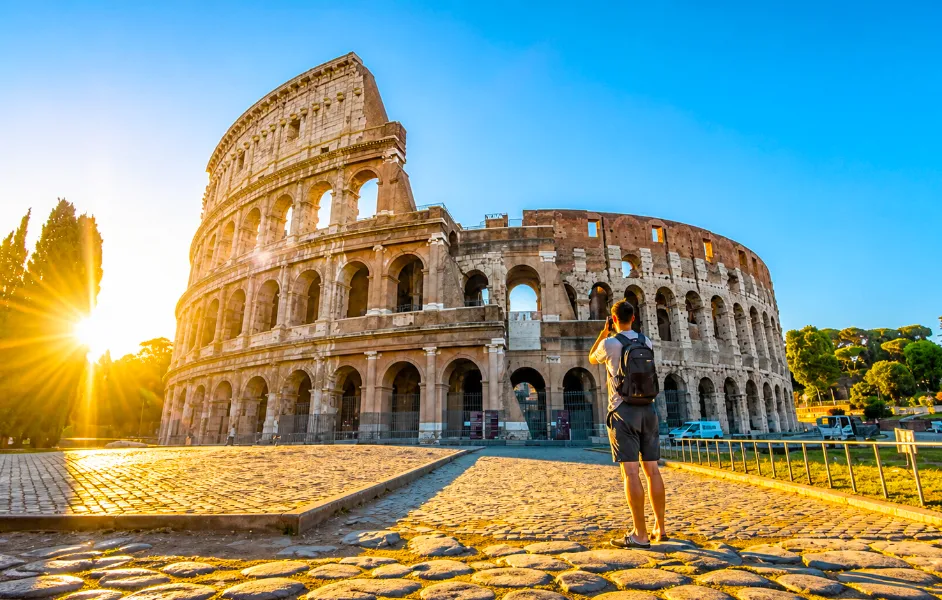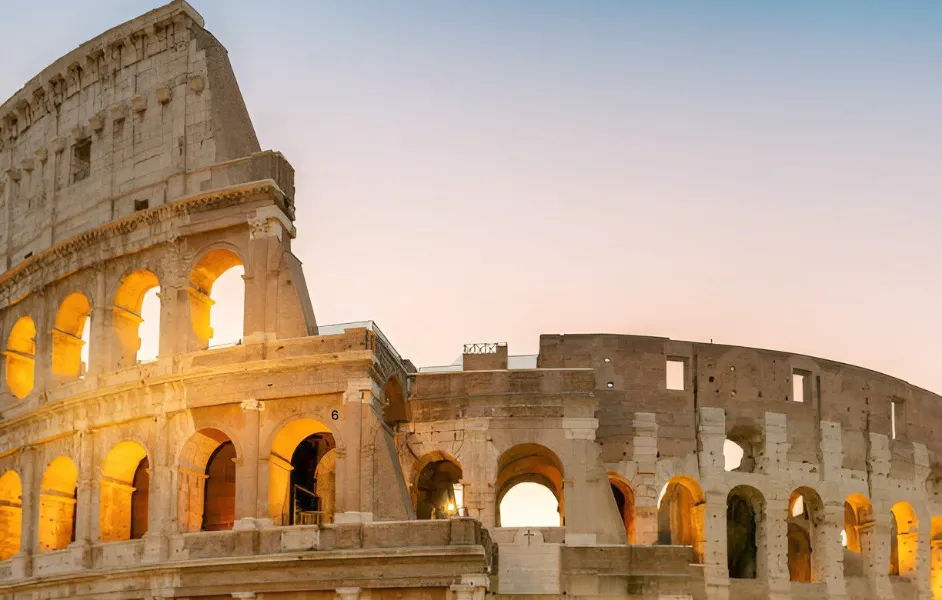


















































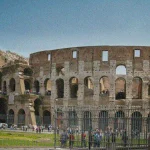
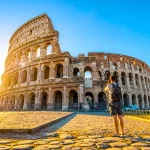
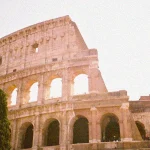
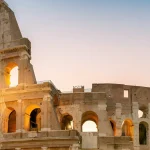
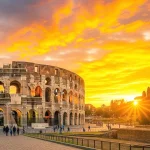






































Construction of the Colosseum began between 70 and 72 AD under Emperor Vespasian. The Colosseum was officially inaugurated in 80 AD, though additions continued until 82 AD.
You find yourself standing there, staring up, and the first question that pops into your brain is almost always, When was the Colosseum built, anyway? It’s a massive comeback story for Rome.
After the absolute chaos of Nero’s reign, the Flavian dynasty stepped in to give something back to the people. Honestly, it is pretty wild to think this giant arena was actually a political “thank you” note to the citizens.
Key Takeaways
- Built between 70 and 82 AD as a gift to the Roman public.
- The Site replaced Nero’s private lake to symbolize the return of the city to its people.
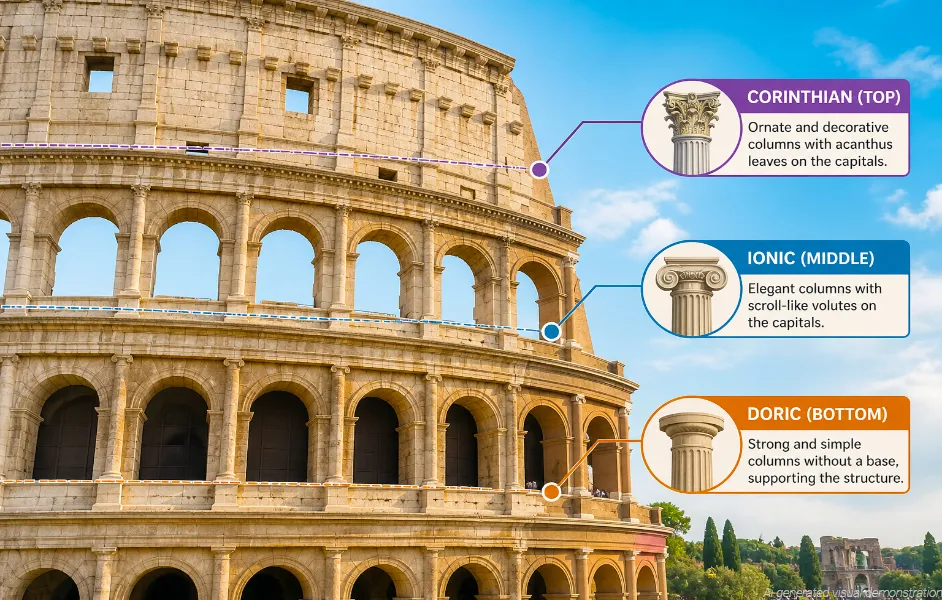
- A massive four-story structure utilizing the unique Doric, Ionic, and Corinthian architectural orders.
- The Colosseum is a world-class venue for gladiator fights, animal hunts, and even naval battles.
The Site Secret History – Nero, Lake, and the Domus Aurea
The Colosseum was built directly on top of an artificial lake that previously belonged to Emperor Nero’s private palace, the Domus Aurea.
I mean, can you imagine the audacity? Nero built this self-indulgent “Golden House” right in the heart of Rome after the Great Fire. When Vespasian took over, he basically said, “Enough of that.” He drained the private pond to make room for a public stadium.
To me, that’s the ultimate power move. The Roman emperor was literally burying the memory of a tyrant under the foundations of public entertainment. If you’re wondering, can you buy Colosseum tickets on the day, well, the short answer is don’t risk it. The crowds today are almost as intense as they were back then.
Check out what time the Colosseum opens to beat the first wave of tourists.
The Colosseum Construction Timeline From 70 AD to 82 AD
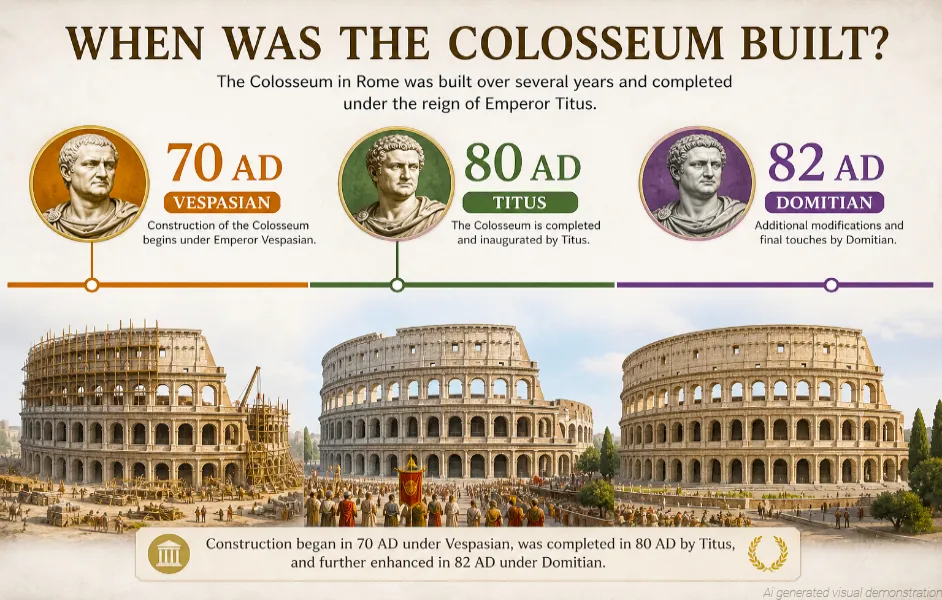
It took roughly 8 to 10 years to finish the main structure, a feat made possible by the labor of large numbers of people. An estimated over 60,000 workers.
So, yeah. Ten years. In modern construction time, that’s like building a single highway bridge. But back then? It was an engineering miracle. While Vespasian got the ball rolling, he didn’t actually live to see the grand opening.
The Construction Phases From Foundation to Finish
- 70-72 AD: The massive excavation and foundation work began under Vespasian’s order.
- 80 AD: The inauguration and the era of gladiator fights and animal hunts began under Titus.
- 82 AD: Domitian’s addition of the hypogeum (the underground tunnels) completed the structure.
- The Human Scale: It is hard to wrap your head around the large numbers of laborers required, but seeing the sheer scale in person really puts it into perspective.
Further Reading:Take a look at this how-to-visit-the-Colosseum guide before you set foot in Italy.
Architectural Marvels, Dimensions, and the Three Orders
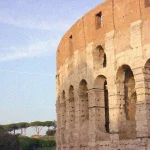
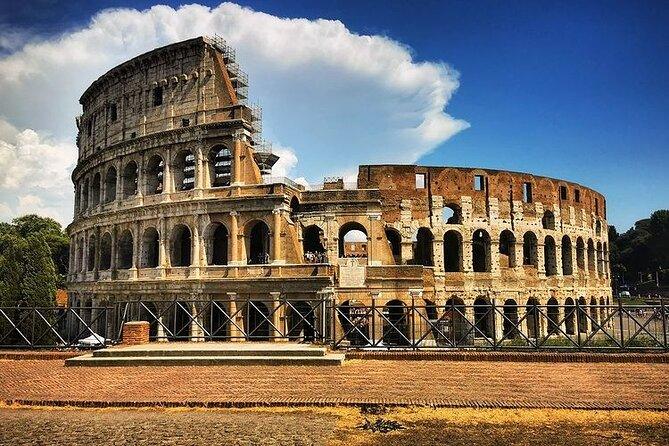
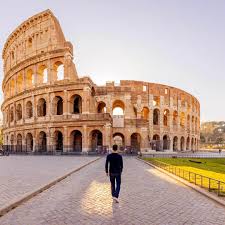
The structure of the Colosseum is an elliptical giant, measuring about 156 meters wide and 48 meters high, featuring three distinct levels of columns.
Look closely at the exterior. It’s like a history lesson in stone. The builders used a specific “stacking” method for the columns: Doric, Ionic, and Corinthian. The bottom is sturdy and simple, the middle gets a bit fancy, and the top is pure Roman elegance.
It’s basically the ancient version of a skyscraper’s facade. This clever design wasn’t just for looks, though; it helped manage the weight and the flow of up to 80,000 screaming fans.
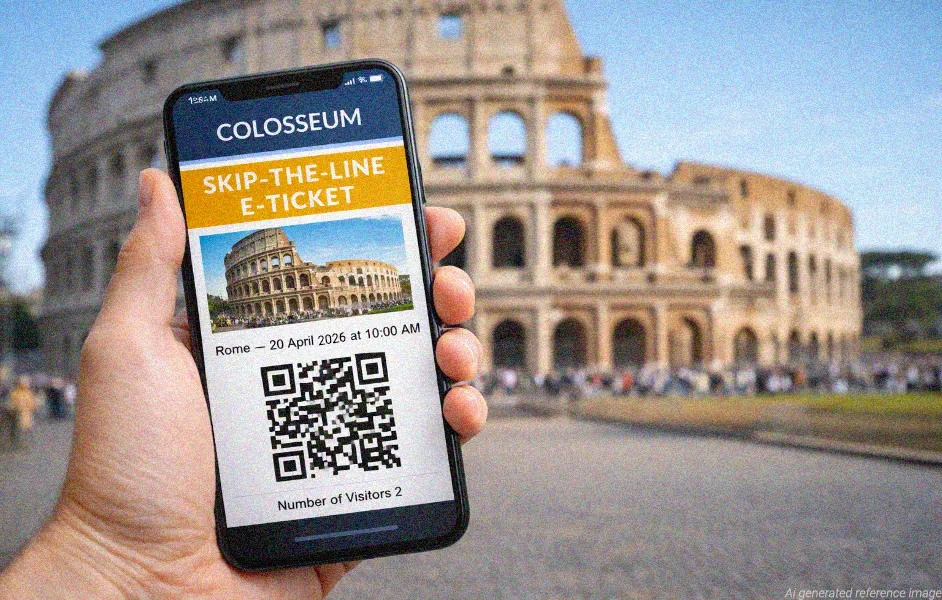
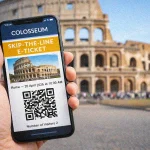
For those who hate waiting, I’d highly recommend looking into Colosseum skip-the-line tickets. Trust me, standing in the Roman sun for three hours is not part of the “authentic” experience you want.
What Happened Inside the Colosseum During Gladiator Fights
The Colosseum was the ultimate stage for combat, exotic animal hunts, and, in its early years, even staged naval battles.
I’ve always found the idea of the “sea battles” or naumachia totally fascinating. Before they built the permanent underground tunnels, they could actually flood the entire floor! Imagine ships sailing around inside a stadium.
Later on, though, it became all about the combat. The sheer variety of spectacles. From tigers to specialized warriors, it kept the public hooked for centuries. It was gruesome, sure, yet the heart of Roman social life.
The Colosseum in the Middle Ages
After the empire fell, the structure lived many lives, serving as a fortress and a stone quarry throughout the middle ages.
For a long time, the Colosseum was treated like a giant hardware store. People would just come by and rip out the marble or the iron clamps to build their own houses or churches. It’s a miracle it’s still standing, to be honest. It wasn’t until the 18th century that popes began protecting it as a holy site. The Roman Empire may have faded, but its skeleton refused to vanish.
If you want to know more about the age of the stones themselves, you should read about how old is the Colosseum.
Best Tips for Visiting the Colosseum Today
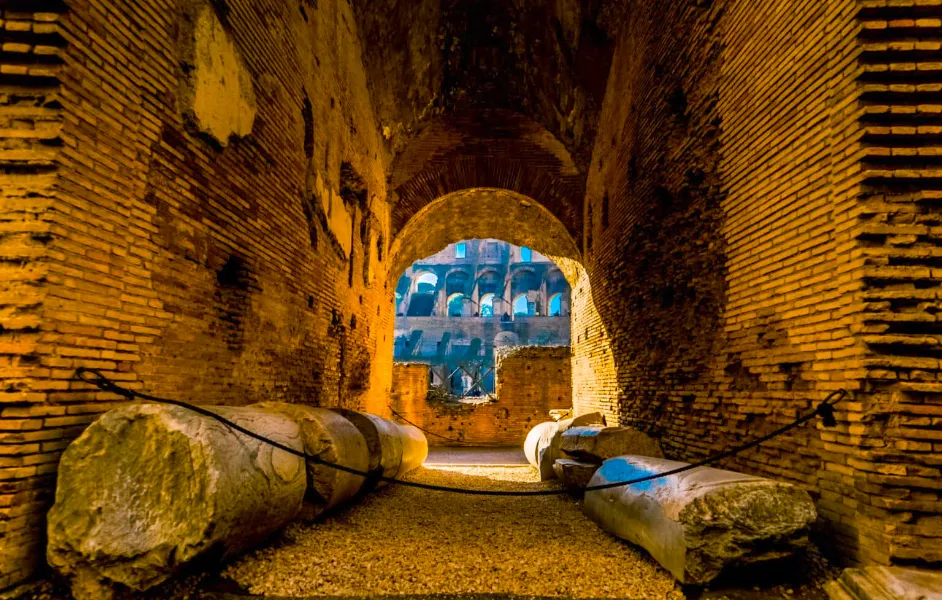
Today, the site pulls in over 7 million visitors annually. So, it is one of the most famous tourist attractions on the planet.
When you finally stand inside, you’ll likely find yourself asking that same question again, when was the colosseum built? Knowing it took just a decade to build something that has survived two millennia of earthquakes and looters makes the experience so much deeper. The flavian amphitheatre is waiting for you, but you definitely need a plan.
Whether you’re looking for Colosseum last-minute tickets or planning months ahead, make sure you don’t just stay on the surface level.
Top Recommended Colosseum Entry Options
| Ticket Type | Best For | Get Access |
| Audio/Video Guided Tour | Solo travelers who want flexibility | book here |
| Full Experience (Arena & Underground) | History buffs wanting the full picture | book here |
| Underground & Arena Floor | Getting the “Gladiator’s View” | book here |
| Ancient Rome Guided Tour | Those who want a storyteller guide | book here |
For a broader look at ticket options across the city, check out Colosseum tickets.
Frequently Asked Questions
How long did it take to build the Colosseum?
It took approximately 8 to 10 years, starting in 70-72 AD and finishing in 80 AD.
Who paid for the construction?
The project was funded by the spoils taken during the Siege of Jerusalem in 70 AD.
Why was it called the Flavian Amphitheatre?
It was named after the family name (Flavius) of the emperors Vespasian, Titus, and Domitian, who built it.
Is the Colosseum still being used?
While not for games, it occasionally hosts concerts or religious events like the Good Friday Way of the Cross.
Rome is calling, don’t keep it waiting
History is cool and all, but nothing beats seeing it with your own eyes. Now that you know exactly when the Colosseum was built and why it stands where it does, you’re ready to walk those ancient halls differently, in a meaningful way.
For more expert travel insights, you can also explore resources in our travel guides to know better