























































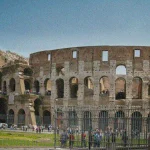
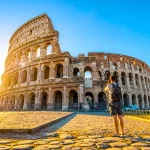
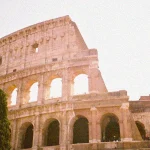
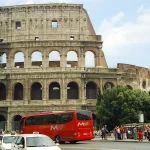
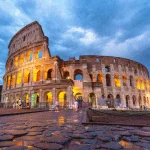
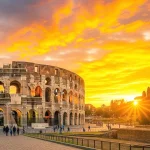




























The Flavian Amphitheatre was primarily used for gladiatorial combat, animal hunts, and public performances. It was designed to entertain the Roman populace. It served as a political tool for the Roman emperor to show his power and generosity, often referred to as “Bread and Circuses.”
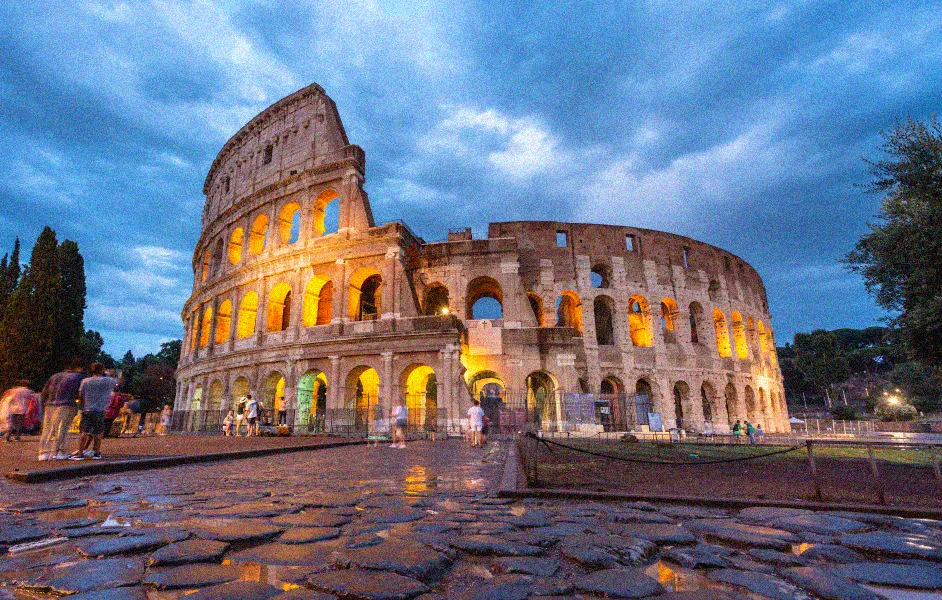
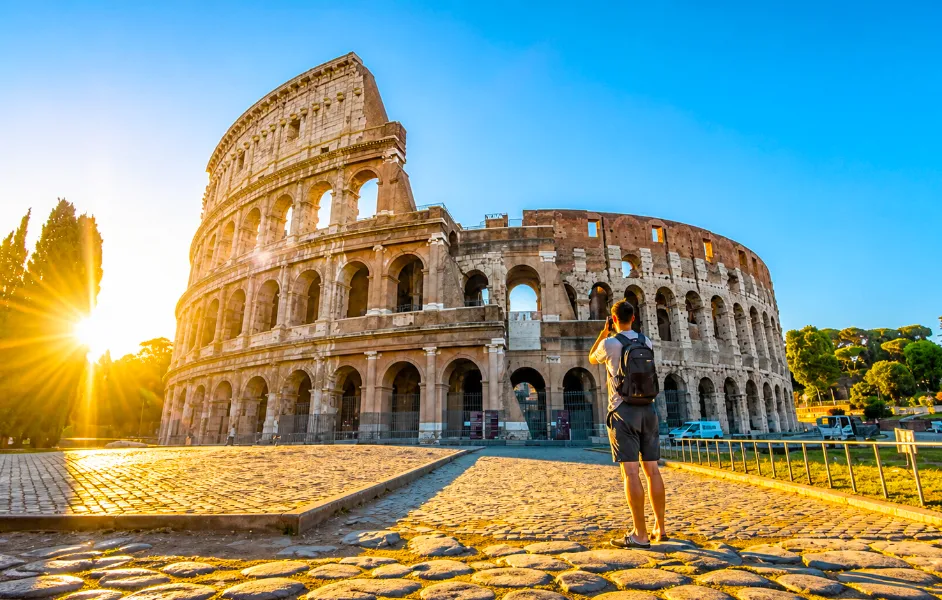
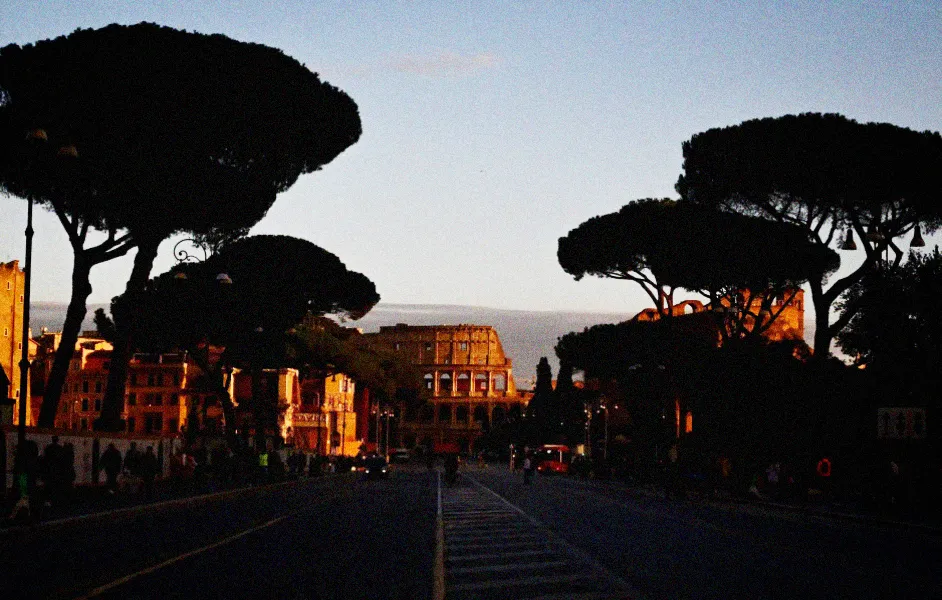
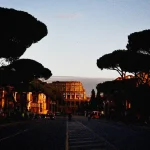
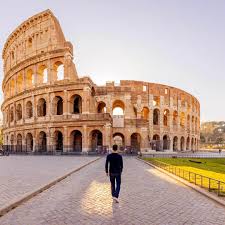
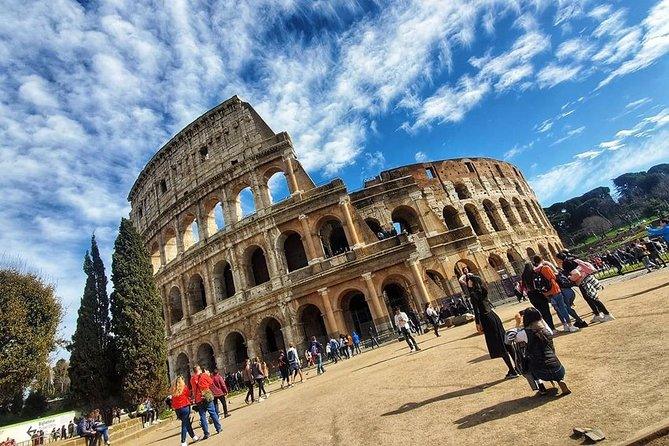
Walking through the streets of modern Rome, it is impossible to miss the towering arches of the most popular tourist site in the world. You might find yourself wondering, what exactly happened on that arena floor? What was the Colosseum used for? It was a complex social hub, an engineering marvel, and a symbol of the Roman Empire at its peak.
Key Takeaways
- The events were free to the public and used by emperors to maintain social order and popularity.
- Beyond gladiators, the arena hosted naval battles, exotic animal hunts, and classical dramas.
- The structure could hold up to 80,000 people and featured advanced trap doors and elevators.
- Despite fires, earthquakes, and looting, the building remains the most iconic of all tourist attractions. Apparently, it demands advance booking now.
70-72 AD The Year Construction of the Colosseum Began
Construction of the Colosseum began around 70-72 AD under Emperor Vespasian. After years of civil war and the tyrannical rule of Nero, the new Flavian dynasty needed a way to win back the people’s hearts. Their solution was to build the world’s largest amphitheater on the site of Nero’s former artificial lake. It was a literal “giving back” to the city’s citizens.
Gladiatorial Combat and the Warrior Class (The Main Event )
The most famous use of the arena was, of course, gladiatorial combat. These were highly choreographed matches between specialized fighters.
- The Thrill of the Fight: Gladiators were often prisoners of war or enslaved people, but some were free men seeking fame.
- The Rules: Referees oversaw the matches, and while death was common, many fighters were spared if they showed exceptional bravery.
- The Crowd’s Voice: The famous “thumbs up” or “thumbs down” allowed the public to feel they had a say in the fate of the warriors.
Standing in the stands today, it’s easy to imagine the roar of 50,000 people. If you want to see where these fighters prepared for their final moments, check out the Colosseum visit guide.
Exotic Spectacles and the Brutality of Animal Hunts
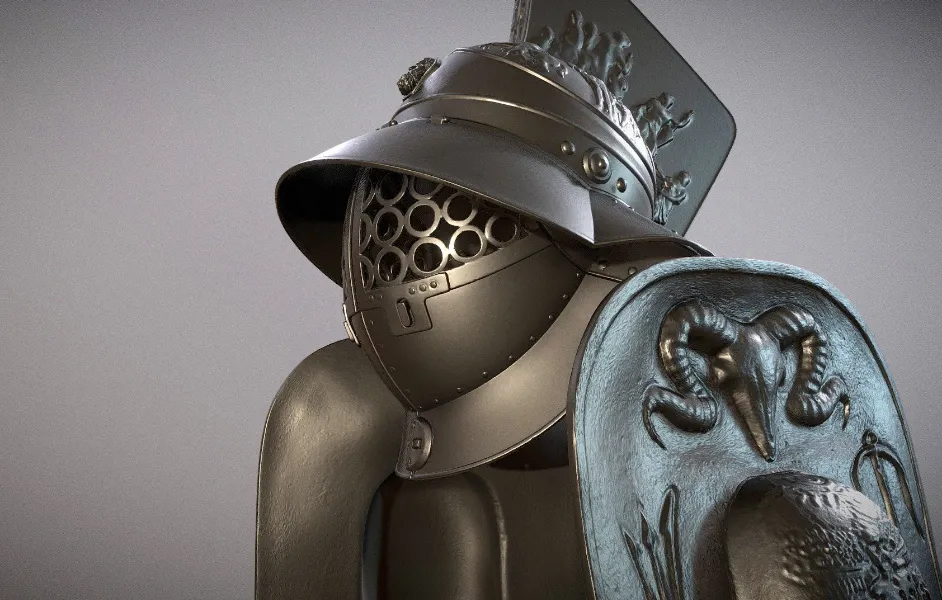
Animal Hunt: In the mornings, the Colosseum transformed into a wild wilderness. These events, known as animal hunts or venationes, saw professional hunters facing off against terrified beasts.
Dominance: The sheer scale of the slaughter is hard to understand today. During the first games in 80 AD, thousands of wild animals were killed in a single day. This was a way for the Roman Empire to show its dominance over nature itself.
Decoration: The arena floor would be decorated with trees and rocks, creating a forest-like setting. That would make the spectacle even more immersive for viewers.
Engineering Miracles, Naval Battles, and the Flooded Arena
One of the most mind-blowing answers to what the Colosseum was used for is mock naval battles, or naumachia. In the early years, before the underground tunnels were built, the arena floor could be flooded with water.
- Water Management: Engineers used a complex system of pipes to divert water into the basin.
- The Spectacle: Full-sized ships would recreate famous Roman victories at sea, complete with soldiers and sailors.
- The Dimensions: With an elliptical shape measuring roughly 156 meters across the short axis, there was just enough room for these incredible displays.
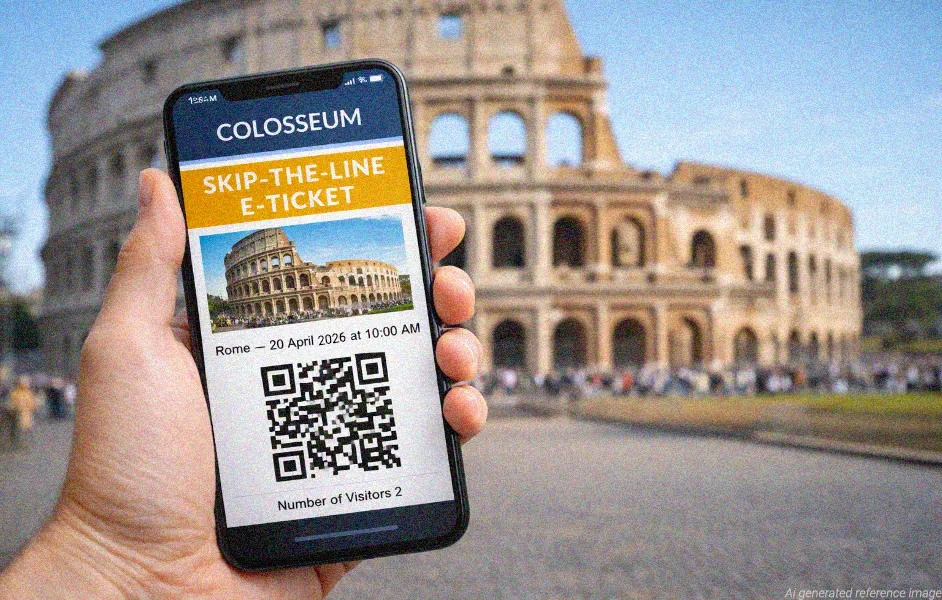
If you are interested in the plumbing and architecture that made this possible, I highly recommend looking for Colosseum skip-the line tickets that include arena floor access.
The Myth and Reality of Christian Martyrs
For centuries, many believed the Colosseum was the primary site where early christians were fed to lions. While the arena was certainly used for public executions of “enemies of the state,” historians today have found limited direct evidence that the Colosseum was the specific site of many christian martyrs.
However, the building’s association with these stories is what eventually saved it. During the middle ages, the Catholic Church began to protect the structure as a sacred site, preventing further looting of the stones.
Architecture of Social Control
The way the Colosseum was built tells us exactly how Roman society functioned.
- The Bottom Tier: Reserved for the Emperor, senators, and high-ranking officials.
- The Middle Tiers: Occupied by the knights and the Roman middle class.
- The Top Tier: Where the poor, women, and enslaved people sat, often on wooden benches.
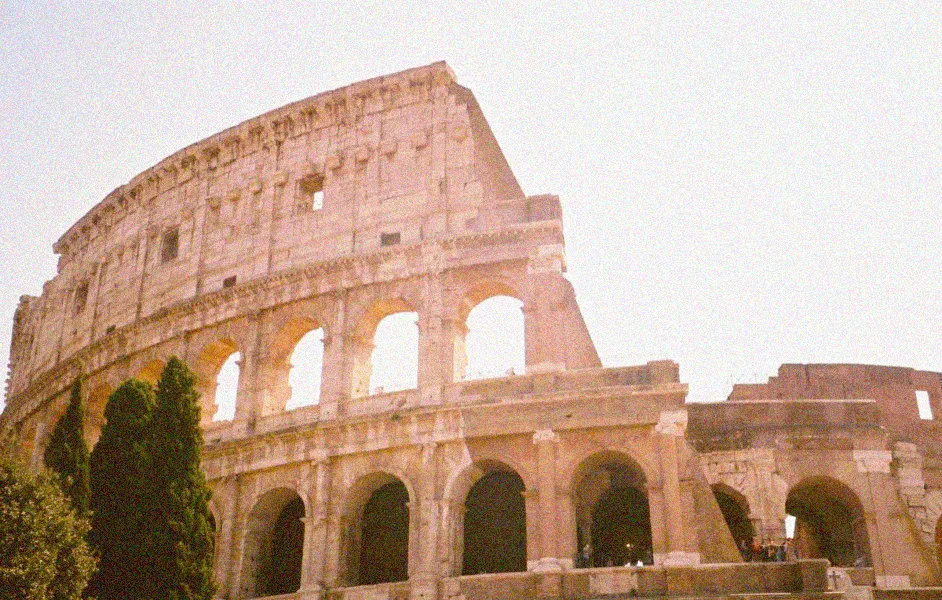
- The Design: The exterior used the doric ionic and corinthian orders to signify the ascending levels of the building.
To see these tiers up close, look at what time does the Colosseum open to get the best views before the heat of the day.
The Colosseum After the Empire
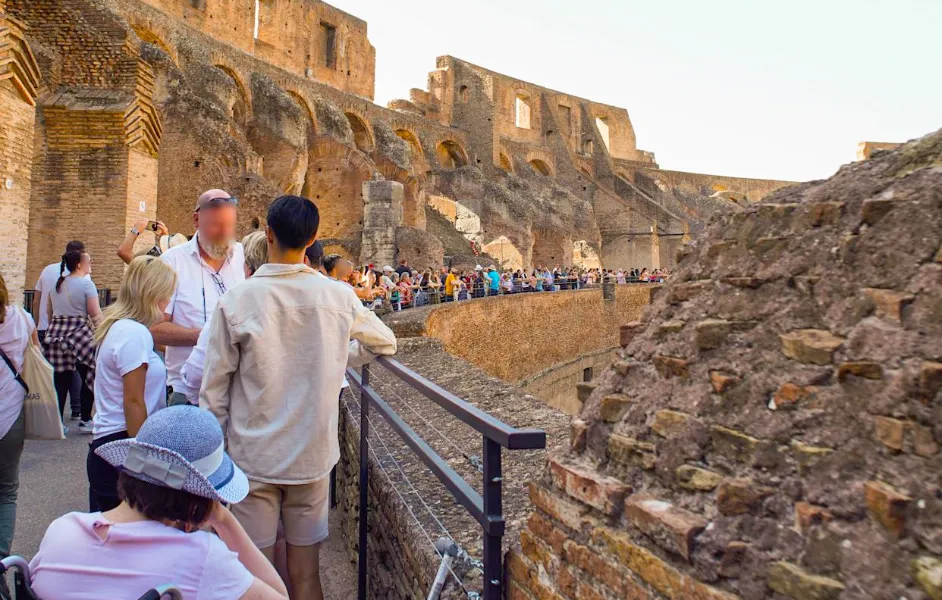
When the games finally stopped in the 6th century, the building didn’t just disappear. It entered a strange new chapter. Throughout the middle ages, it was used as a cemetery, a housing complex, and even a fortress for local noble families.
Unfortunately, it also became a convenient “stone quarry.” Many of the beautiful marble facades were stripped away to build palaces and even St. Peter’s Basilica. You can still see the holes in the masonry where people dug out the iron clamps.
The Political Power of the Games
The games were a showcase of the Empire’s reach. When wild animals like lions, elephants, and hippos were brought into the city, it proved to every citizen that Rome had conquered the farthest corners of the earth. It showed power that required large numbers of laborers and enormous wealth to maintain.
If you want to know more about the physical age of these stones, check out how old is the Colosseum.
Visiting the Arena Floor – The Colosseum Today
Today, the Colosseum sees millions of visitors annually. It has transitioned from a place of death to a place of global education and wonder. Walking through the gates today is a much different experience than it was 2,000 years ago, but the sense of awe remains the same.
Whether you are looking for Colosseum last-minute tickets or planning your dream trip months in advance, understanding the history of this space makes every step more meaningful.
Top Recommended Colosseum Entry Options
| Ticket Type | Best For | Estimated Price | Get It Now |
| Audio/Video Guided Tour | Exploring the history at your own pace | €35 | Book Here |
| Full Experience (Arena & Underground) | Seeing the elevators and animal tunnels | €110 | Book Here |
| Underground & Arena Floor | Standing where the gladiators entered | €95 | Book Here |
| Ancient Rome Guided Tour | A complete walk-through with a storyteller | €65 | Book Here |
Frequently Asked Questions
What was the Colosseum used for in the winter?
The games were seasonal, with major festivals. The building was maintained, and the wild animals were kept in the underground hypogeum.
Why did they stop the gladiator fights?
As the Empire became Christianized and faced economic decline, the games were officially banned in the early 5th century.
Is it true that the arena floor was made of wood?
Yes, the original floor was wooden and covered with sand (the Latin word for sand is harena, which is where we get the word “arena”).
Can you see the underground tunnels today?
Yes, but only with a specific “Full Experience” or “Underground” ticket. These areas were once hidden by the floor and were where the mechanics of the show happened.
Conclusion
From the moment construction of the colosseum began, the building was destined to be the heart of Rome. By asking what was the colosseum used for, I represent a story of engineering brilliance, political strategy, and the raw human desire for spectacle. So, as you plan your visit, remember that you are stepping into the greatest theater ever built.