




























































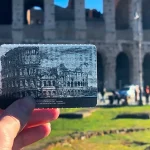
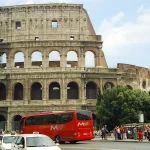
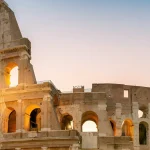
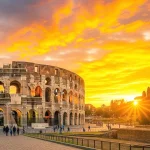



































Finding the best facts about the Colosseum is the first step for anyone planning a dream trip to Italy. I have visited Rome many times, and every single visit feels like the first time because this building is just so massive. It sits in the center of the city and tells a story of power and glory. You can feel the history in the air when you walk past the ancient stone walls.
This guide will give you the most interesting details to help you enjoy your tour even more. Whether you are a history buff or just want great photos, you need to know these things before you go. Here are some incredible facts about the Colosseum to get you started.
Key Takeaways
- Built over Nero’s lake, it remains the world’s largest amphitheater nearly 2,000 years later.
- Originally the Flavian Amphitheatre, it was renamed for the massive “Colossus” statue nearby.
- 80 arched entrances allowed 80,000 spectators to exit the arena in under 20 minutes.
- The Hypogeum tunnels housed gladiators and exotic animals before they entered the arena.
- Once a place of death, it now shines gold to protest capital punishment worldwide.
1. The Colosseum is over 1,900 years old
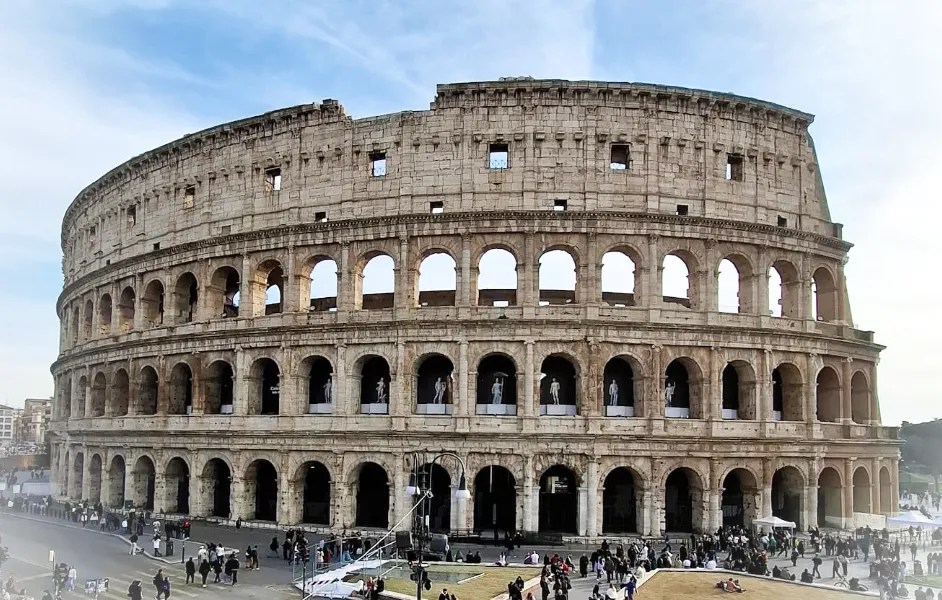
This building is a true survivor of time. Construction started around 70 AD under the Emperor Vespasian, and it was finished in 80 AD by his son Titus. That means it has stood in the middle of Rome for nearly two thousand years. It is amazing to think about how they built something so strong without any modern cranes or engines.
According to the Italian Ministry of Culture, the structure is about 189 meters long and 156 meters wide. You can read more about these official measurements on the Italian Ministry of Culture website.
Most buildings today do not last 50 years, but this one has survived fires and wars. It really shows how much the Romans cared about making things that would last forever.
Tips For Travelers: If you are visiting in the cooler months, you can check out the best places to visit in February for more travel ideas.
2. The real name of the building was the Flavian Amphitheatre
Most people call it the Colosseum today, yet that was not what the Romans called it. They named it the Flavian Amphitheatre because the emperors who built it were members of the Flavian family. The name we use now actually comes from a giant statue that was built nearby.
There was a huge bronze statue of Emperor Nero called the Colossus of Nero. It was over one hundred feet tall. Over time, people started calling the arena the Colosseum because it was right next to that big statue. The statue is gone now, but the name stayed.
3. Gladiatorial shows took place at the Colosseum for centuries
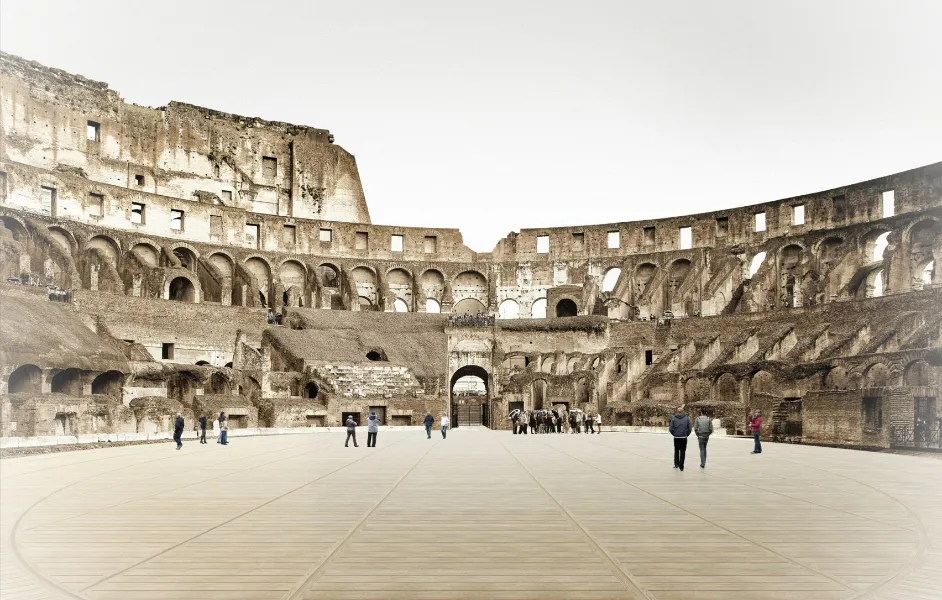
This was the main reason the building was built. The Romans loved entertainment, and gladiators were the superstars of that time. These fighters were often slaves or prisoners. But some were actually free men who wanted the fame.
They would fight each other or wild animals in front of thousands of screaming fans. It was a very loud and intense place to be. Many people think every fight ends in death but that is not true. Gladiators were very expensive to train and feed, so the referees often stopped the fight before anyone died.
Tips For Travelers: If you want to see where they actually fought, you can get a ticket that lets you walk on the rebuilt arena floor. This is a great way to feel the scale of the place.
4. The Colosseum was built on the site of a giant lake
Before the Colosseum existed, the land belonged to Emperor Nero. He was a very selfish ruler, and he built a massive private palace with a huge artificial lake in the middle of it. When he died, the new emperor wanted to give the land back to the people. He decided to drain the lake and build a public arena right on top of it. This was a very smart political move.
The Romans were masters of moving water, and they built drains that still work today. It is one of those hidden gem places in Europe that has layers of history hidden underneath the surface.
5. Over 80,000 people could fit inside the arena
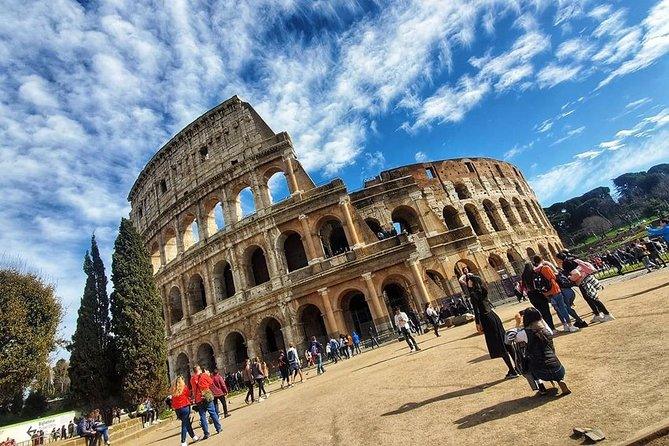
The size of the crowd was incredible. The Italian National Institute of Statistics notes that millions of people still gather at these ancient sites every year. Back in the day, the seating was organized by social class. The best seats were at the bottom, and they were reserved for the Emperor and the senators. The higher you went the lower your social status was.
Women and the poor usually sat at the very top. Even though the seats were separated, the entrance was free for all citizens. The emperors used these games to keep the people happy so they would not rebel. It was called bread and circuses. They gave out free food and free entertainment to everyone in the city.
6. The Colosseum had 80 different entrances for the public
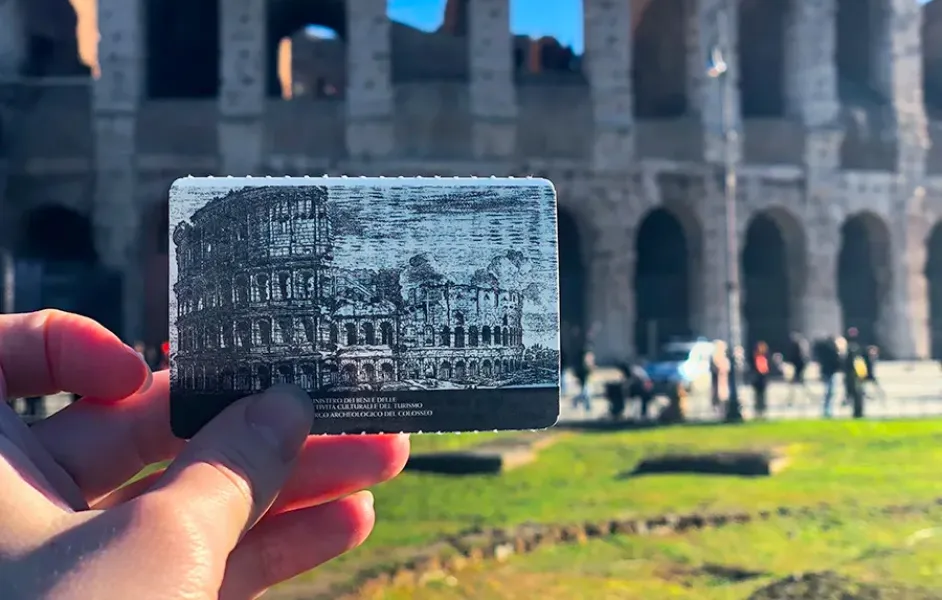
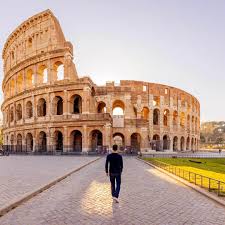
The Romans were great at crowd control. They built eighty different arched entrances around the outside. Each person had a ticket made of clay that told them which gate to use. This means the entire stadium can be filled or emptied in about 15 to 20 minutes. It is a system that modern stadium designers still study today.
If you want to bypass the modern lines, you should definitely look into a skip-the-line pass. It makes the whole experience much more relaxing. You should check out this Colosseum, Roman Forum, and Palatine Hill audio-video guided tour if you want to see everything without the stress of a big group.
7. The underground tunnels are called the Hypogeum
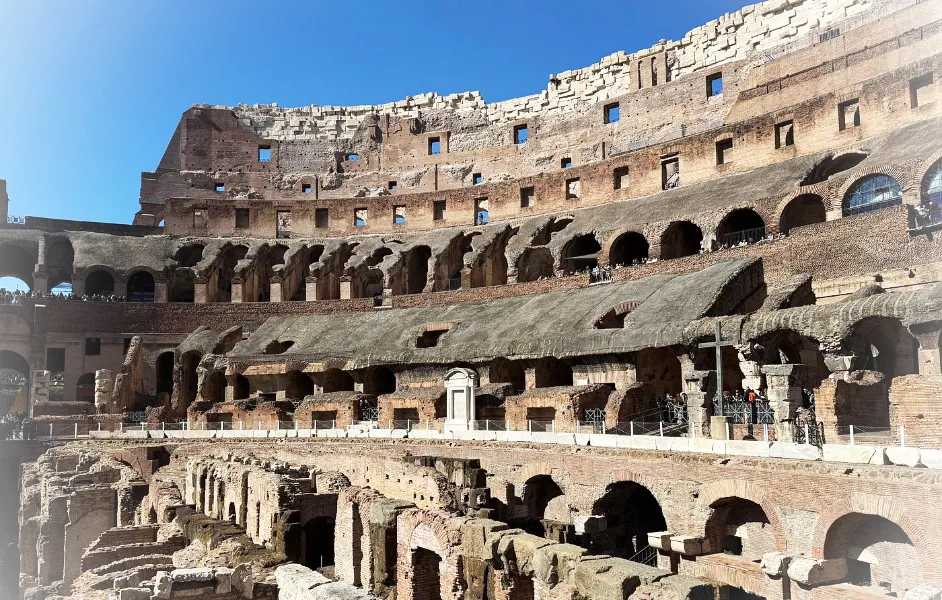
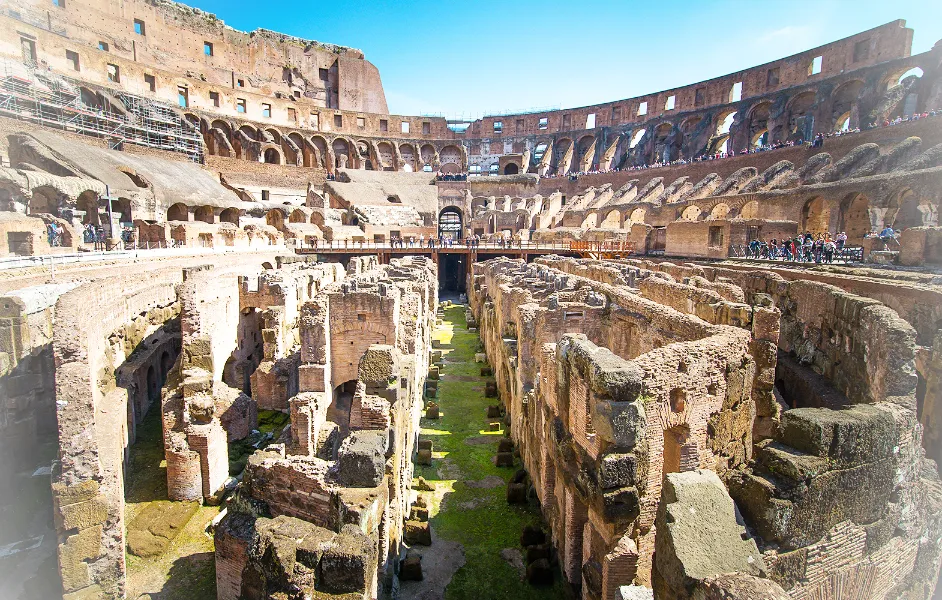
Underneath the arena floor, there was a whole different world. This was the Hypogeum, which was a network of tunnels and cages. This is where the gladiators waited for their turn to fight. It is also where they kept lions and tigers, even elephants.
It was a very scary effect for the people watching. Today, you can book a special tour such as the Underground of the Colosseum, Arena Floor, and Ancient Rome. It goes down into these tunnels. It is a bit dark and damp. Yet, it is one of the most interesting parts of the whole building.
8. Naval battles were once held inside the building
In the early days, they used to flood the arena floor with water. They would bring in flat-bottomed ships and recreate famous sea battles from history. This was called a Naumachia.
They eventually stopped doing this because the underground tunnels were built, and they could no longer flood the floor. But for a few years, the Colosseum was both a stadium and a lake. This kind of spectacle is why the building became so famous all over the world.
Tips For Travelers: If you like seeing sites with water, you should also look at the best places to visit in April when the weather is perfect for outdoor walks.
9. The Colosseum had a massive retractable roof
The Roman sun can be very hot, especially in the middle of the day. To keep the spectators cool, the Romans invented a giant shade called the Velarium. It was made of heavy canvas, and it was attached to large wooden poles at the top of the building.
A special group of sailors from the Roman navy was in charge of moving it. It did not cover the center where the fighting was; however, it kept the fans comfortable. This is another example of how advanced their technology was. If you are planning to go in the summer months like June, you will definitely appreciate why they needed that shade.
Tips for Travelers:You can see more about summer travel in the best places to travel to in June guide.
10. Earthquakes and stone thieves damaged the structure
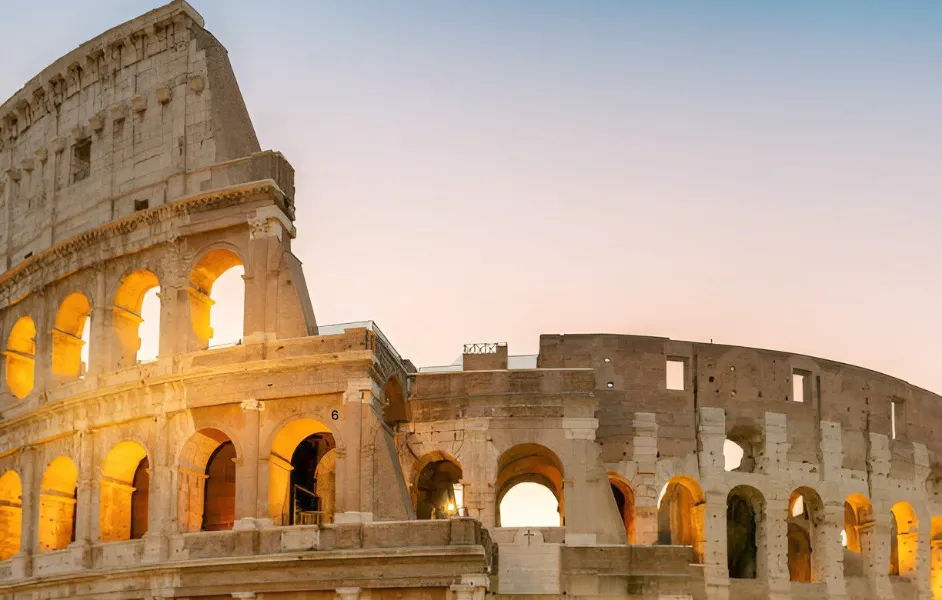
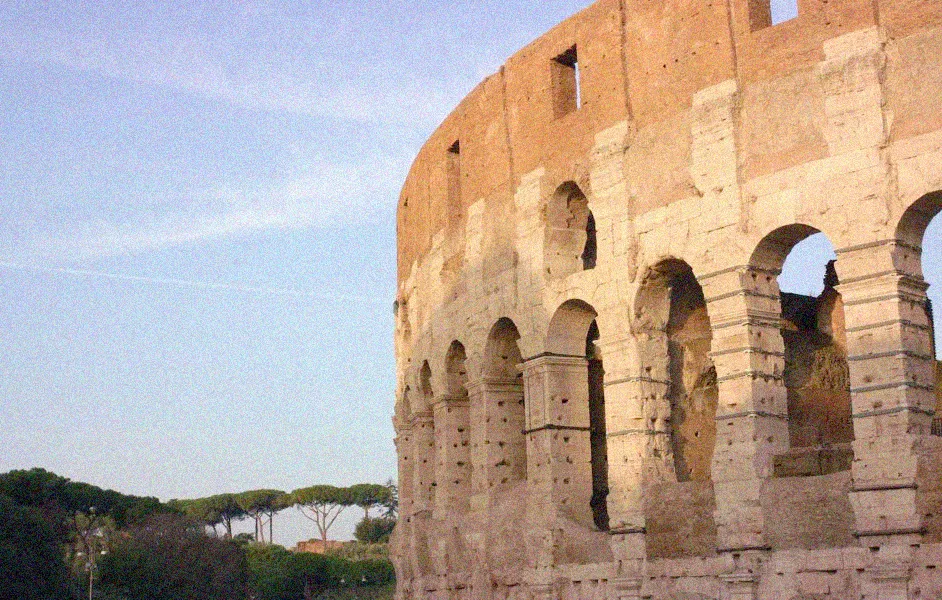
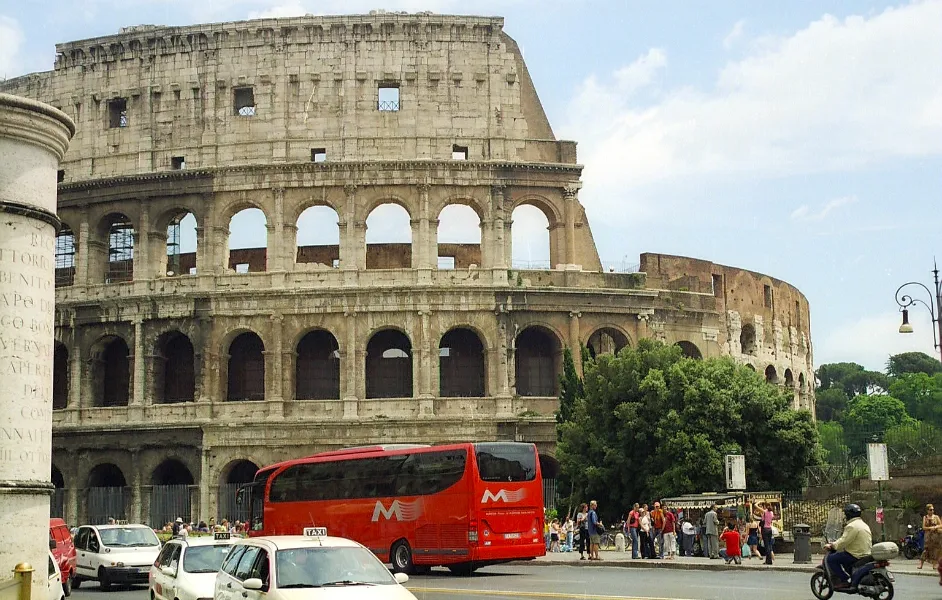
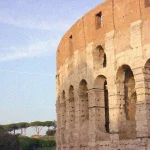
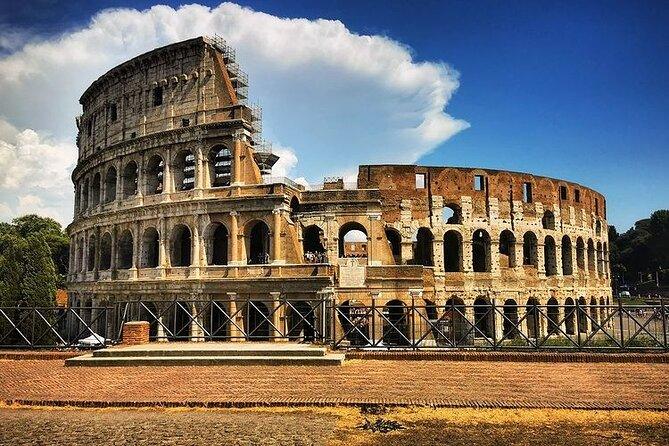
When you look at the building today, it looks like a giant puzzle with pieces missing. A lot of this damage happened after the Roman Empire fell. A huge earthquake in 1349 caused the outer wall on the south side to fall down. Instead of fixing it people started using the fallen stone to build other things.
They took the marble and the iron that held the stones together. You can see pieces of the Colosseum in the walls of the Vatican and other big palaces in Rome. It was basically used as a hardware store for hundreds of years. History says, people were digging out the iron clamps that were hidden inside the stone.
11. Over one million animals died in the arena
The Romans were obsessed with exotic animals from all over their empire. They would bring in animals that most Romans had never seen before. Lions and hippos and ostriches were all forced to fight. Sometimes they would even set up fake forests in the arena so the animals could hunt each other.
UNESCO has listed the site as a World Heritage spot since 1980 because of its massive impact on human culture and history. You can find their official report on the UNESCO World Heritage page. It is a sad part of the history but it shows how much effort the emperors put into putting on a show for the public.
12. Admission to the games was actually free
One of the best facts about the Colosseum is that the regular citizens did not have to pay to get in. The emperor paid for everything. He wanted to make sure that even the poorest people could enjoy the show. He also gave out free grain and bread during the events.
This was his way of making sure the people stayed on his side. Even though the tickets were free you still had to have one to get through the gates. The tickets told you exactly where to sit so that the rich and poor did not mix too much.
13. Hundreds of plant species grow inside the ruins
After the building was abandoned, it became a home for nature. Because the walls are so thick and provide so much shade, a lot of unique plants started to grow there. Botanists have found over 350 different species of plants living inside the Colosseum. Some of these plants are not found anywhere else in Italy.
Some people think the seeds were brought there by the exotic animals from Africa a long time ago. You can still see some of the greenery climbing up the ancient stones. It makes the whole place feel a bit more peaceful and alive.
14. It is the largest amphitheatre in the world
Even after 2000 years, no other ancient structure has ever been built larger than this one. It is a record that still stands. The Romans built smaller versions of the Colosseum all over Europe and North Africa, but this was always the main one. It was the center of their world. When you stand inside it, you can feel how much power the Roman Empire had.
Looking for more fun facts about ancient Roman sites? See everything you need to know about Rome’s Trevi Fountain and trips that will take you there.
Book a Colosseum, Roman Forum, and Palatine Hill audio-video guided tour.
15. The Colosseum is a symbol against the death penalty
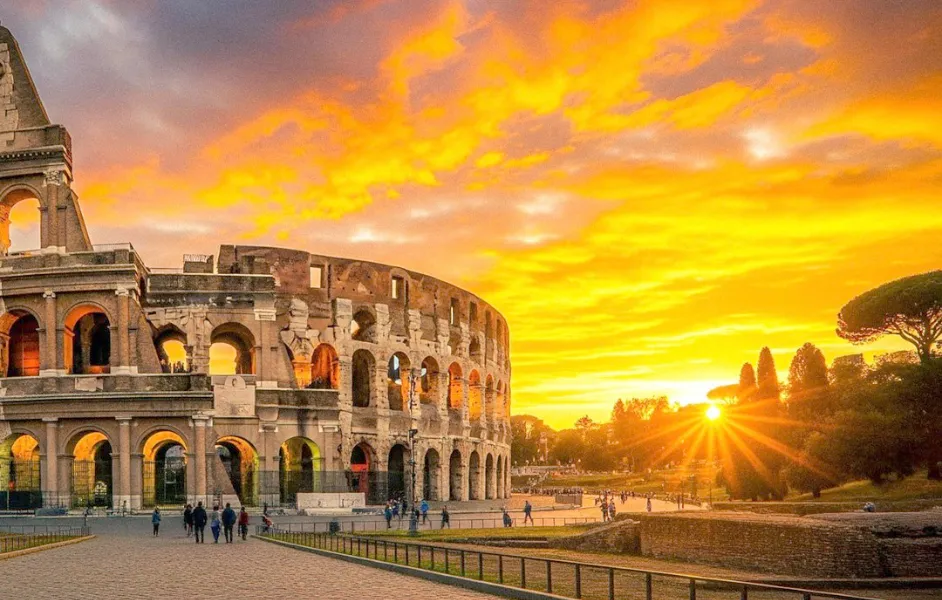
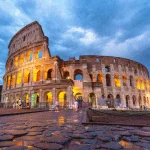
Since the year 2000, the city of Rome has used the Colosseum to protest the death penalty. Rome has given the Colosseum a new, hopeful meaning. The city lights up the building in gold whenever a death sentence is commuted or a country abolishes the death penalty.
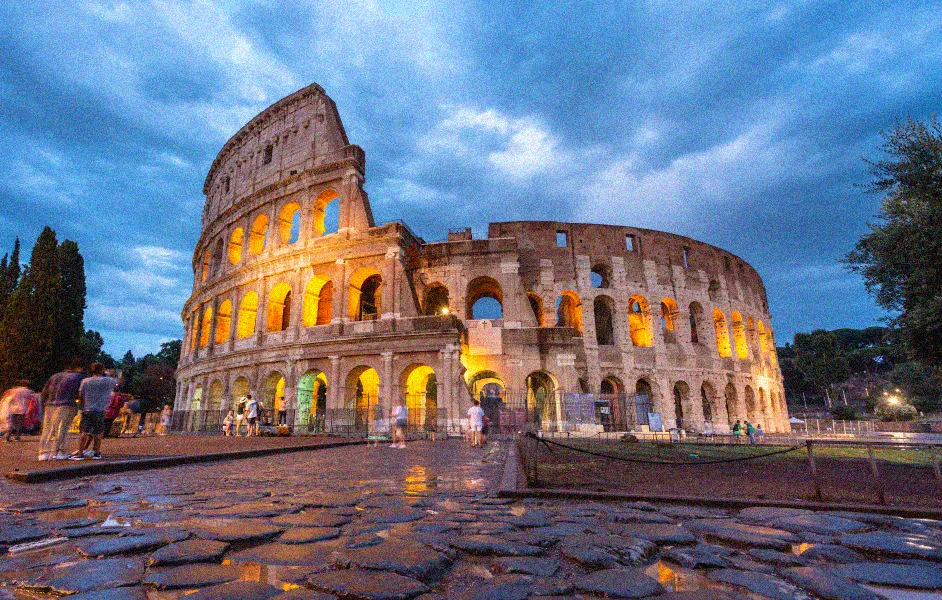
The lights change from white to gold, turning a place once known for violence into a symbol of life and mercy. It shows that even ancient landmarks can evolve with the world, making a night visit just as meaningful as a daytime one.
FAQs About the Colosseum
Can I visit the Colosseum at night?
Yes, there are special night tours available during the warmer months. These tours are great because the building is lit up and there are many fewer people around. You usually get to see the underground area and the arena floor as part of the night experience.
Is there a dress code for visiting the arena?
Although there isn’t a formal dress code for the Colosseum, you should wear extremely comfy shoes. The ground is made of old stones, and it is very uneven. You will be doing a lot of walking.
Do children get in for free?
Most children under the age of 18 can get in for free or at a very reduced price. However, you still need to book a ticket for them in advance. Make sure you have a copy of their passport or ID to show them at the entrance.
How do I get to the Colosseum using public transport
The easiest way to get there is by taking the Metro. There is a station called Colosseo on the Blue Line B. When you walk out of the station, the building is right in front of you. You can also take several bus lines or even a tram.
Final Thoughts
Learning all these facts about the Colosseum makes your trip so much more meaningful. With the knowledge, you will look at a place where history was made every single day. From the sailors working the giant roof to the gladiators waiting in the dark tunnels, every corner of this building has a human story. It is a miracle that it is still standing for us to see today. Make sure you plan your visit early so you can get the best tickets for the areas you want to see.