










































































































I stood outside those massive stone arches, feeling tiny and a little overwhelmed by the crowd. You are likely standing there too, wondering exactly how old is the Colosseum and why it still matters. Most people just snap a quick photo and move on without really “getting” it. If you don’t know the story, you are basically just looking at a very expensive pile of rubble. That is a massive waste of your trip.
It is like watching a legendary movie but having the volume turned all the way down. You see the action, but you miss the heart. You deserve to feel the history under your feet. I have spent years tracking down the real stories from the people who live here. Let’s make those ancient stones finally start talking to you.
Key Takeaways
- As of 2026, the Colosseum is 1,946 years old, with construction spanning from 72 AD to 80 AD.
- It was originally named the Flavian Amphitheatre, built by the emperor Vespasian.
- Created in just eight years using travertine limestone and iron clamps,
- it was designed to hold over 50,000 spectators and even host naval battles.
- The building’s “half-eaten” look is due to a massive earthquake in 1349
2026 Pro Tip: Book your Tickets ahread to see the most authentic history. Especially, travelers should book Underground (Hypogeum) tours to see the original 1st-century brickwork where gladiators once waited.
How Old is the Colosseum in 2026?
As of 2026, the Colosseum is officially 1,946 years old. This calculation comes from the year the gates first opened to the public. To be very specific about it, construction began around 72 AD, and the grand opening happened in 80 AD.
This place did not start with the name we use today. The builders called it the Flavian Amphitheatre or the Flavian Amphitheater. It was named after the family of emperors who decided to build it.
While nearly 2000 years have passed, it still feels like the heart of the city. It’s one of the New Seven Wonders of the World because it represents the sheer ambition of Ancient Rome.
The Flavian Timeline From Vision to Inauguration
The story of the building is actually a bit of a political drama. Before the stadium existed, the land belonged to Emperor Nero. He had built a massive private lake and a gold palace for himself (rather than serving his people, alas!!).
After he was gone, the new Emperor Vespasian wanted to do something to win back the people. He decided to drain Nero’s lake and build a massive public amphitheater right on top of it.
This bold move was a gift back to the citizens. Construction moved at a speed that would be impressive even today. In fact, The Colosseum only took 8 years to build. Vespasian passed away before he could see the finish line, but his son Titus made sure the job was done.
When the doors opened in 80 AD, they held a festival that lasted for 100 days. It was a massive party with events that changed the history of entertainment forever.
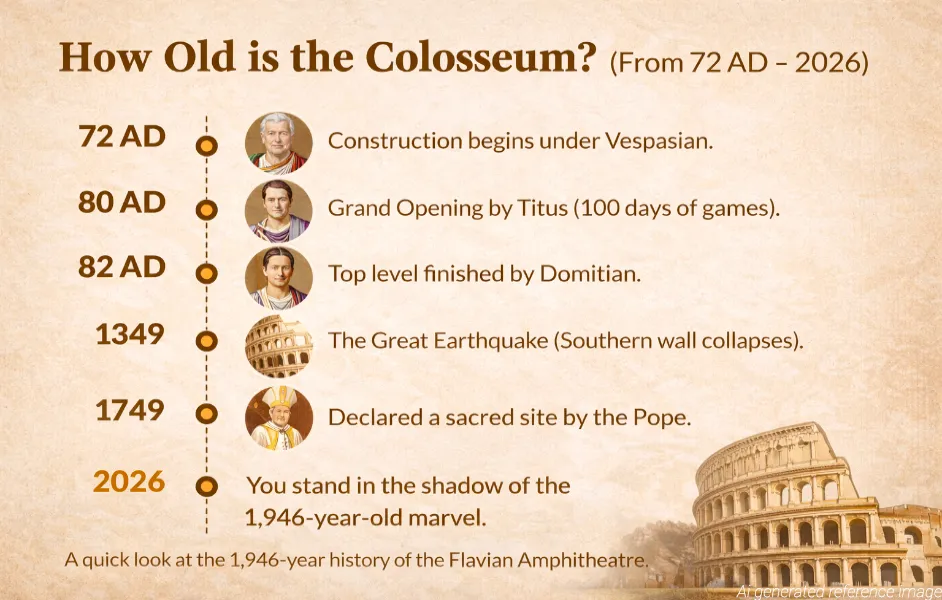
How Old is the Colosseum? (From 72 AD – 2026)
The Flow: Use a simple vertical line with dots for each date.
- 72 AD: Construction begins under Vespasian.
- 80 AD: Grand Opening by Titus (100 days of games).
- 82 AD: Top level finished by Domitian.
- 1349: The Great Earthquake (Southern wall collapses).
- 1749: Declared a sacred site by the Pope.
- 2026: You stand in the shadow of the 1,946-year-old marvel.
A quick look at the 1,946-year history of the Flavian Amphitheatre.
Why the Colosseum is Still Standing
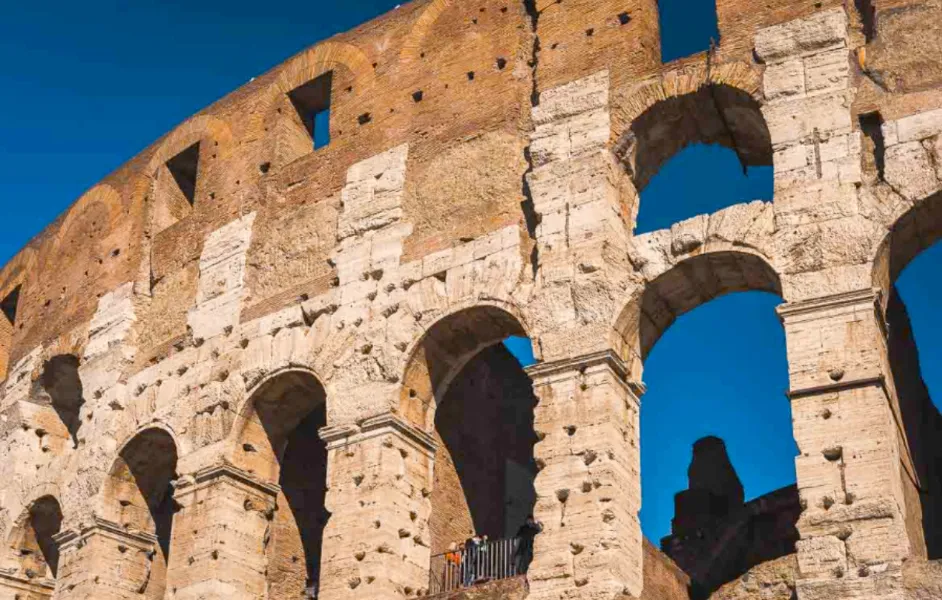
You might wonder how a building survives for almost two thousand years without falling apart. The secret lies in the materials and the genius of the engineers. Such as:
- The Romans used a specific type of limestone called travertine. They moved over 100,000 cubic meters of this stone from a quarry near Tivoli.
- They also used a very early version of concrete and volcanic rock. The design is full of arches to support an incredible amount of weight. Every spectator who walked in would pass through one of 80 numbered entrances.
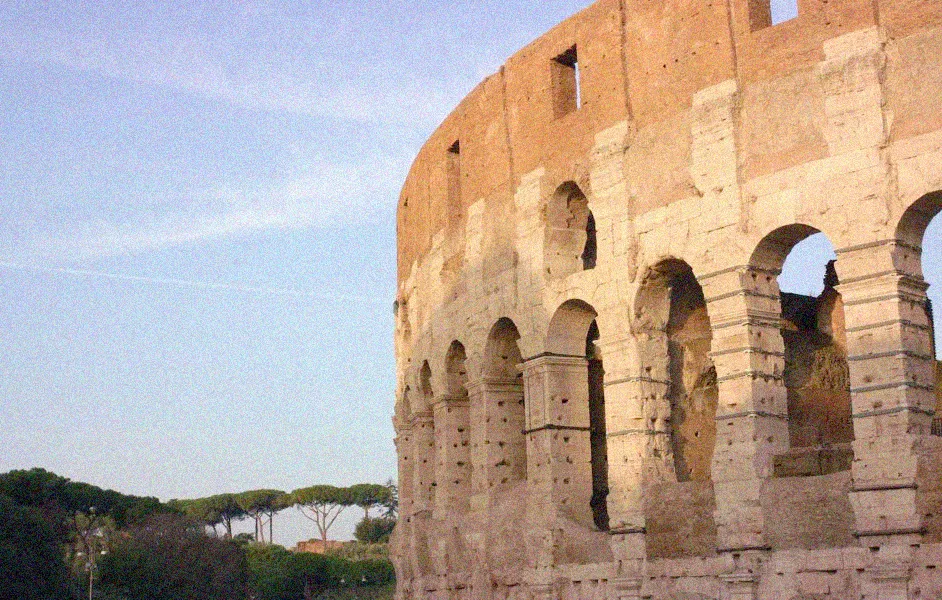
- If you look at the walls today, you will see thousands of little holes. Some people think these were made by bullets or war. The truth is, during the Middle Ages, people dug out the iron clamps. Even without those iron clamps, the building stands as a true marvel of engineering.
For more details on the construction, you can check out our guide on facts about the Colosseum.
Survival Against All Odds – Earthquakes and History
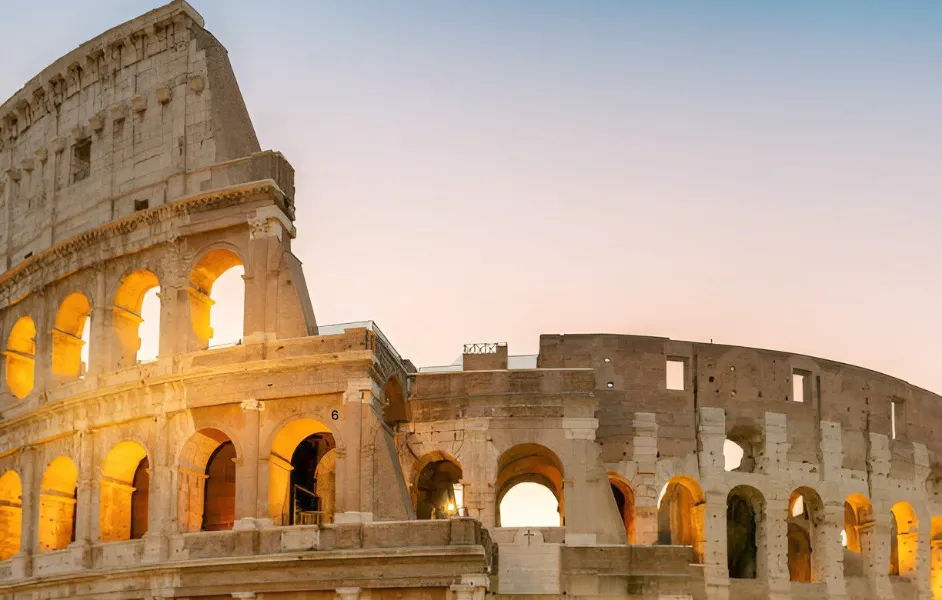
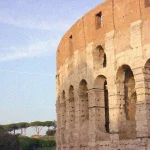
The building has not had an easy life. It has survived fires, lightning strikes, and several huge movements of the earth. The most famous incident was a massive earthquake in 1349. This event caused the entire southern side of the outer wall to collapse. That is why the building looks uneven today.
After that happened, the ruin was used as a sort of hardware store. Local builders would show up with carts and take away the fallen stone. They used that stone to build churches and palaces across Rome. It was only later that the church declared the site sacred. Then, finally, people stopped taking it apart piece by piece.
Ready to Step Inside the 1,946-Year-Old Colosseum Today?
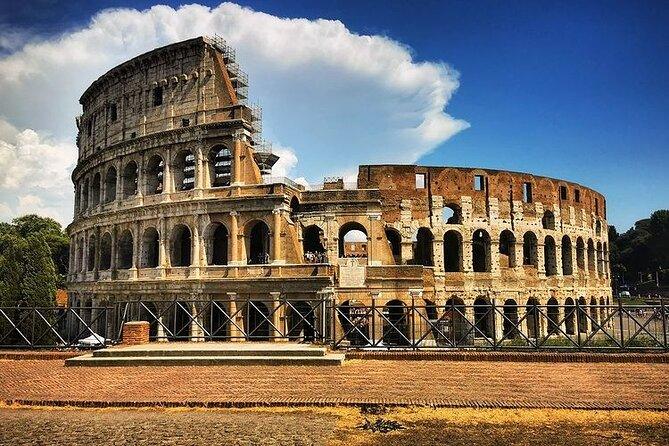
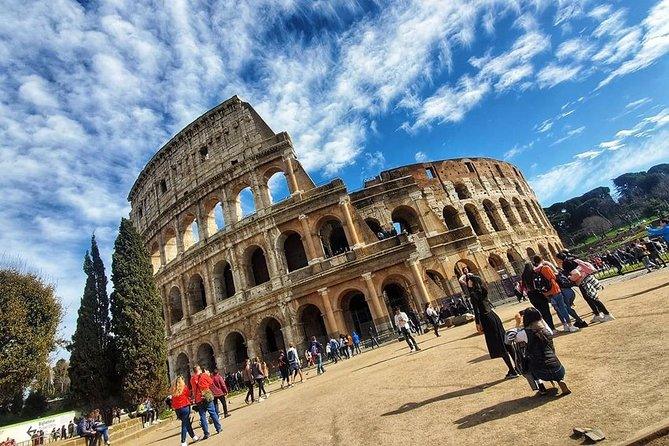
Visiting in 2026 is an experience that requires a little bit of strategy. The crowds are bigger than ever, and the rules for visiting change often to protect the ancient masonry. We always tell our readers that if they want to feel the real history, they have to go beyond the basic entry.
How To Seceure the Colosseum Entry
Getting inside can be a challenge if you do not plan ahead. Tickets usually sell out thirty days in advance.
- Book Early: We highly recommend you book Rome Colosseum tickets as soon as you have your flight dates.
- Last-Minute Options: If you find yourself in Rome without a plan, you can sometimes find Colosseum last minute tickets through our site.
- The Night Tour: If you want to avoid the 2026 heat, we suggest the moonlight tours. Seeing the stones glow at night is something you will never forget.
- The Full Experience: To see everything from the underground to the arena floor, you should look into specialized Colosseum tickets that offer full access.
Because we want you to have the best time possible, we have selected a top-rated tour that covers all these ancient details.
Discover Colosseum’s Most Historical Sides
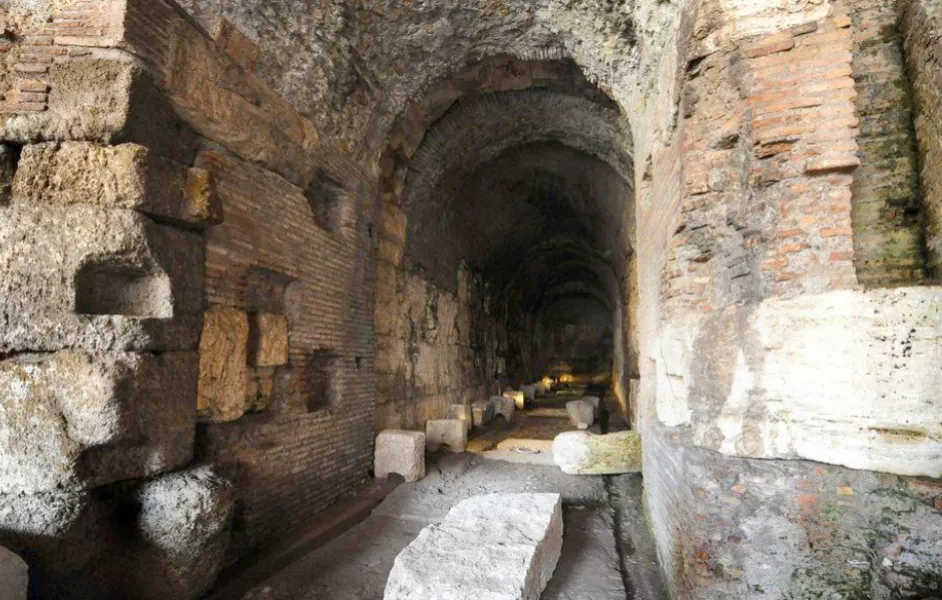
The best place to see the original Flavian work is in the underground area or the hypogeum. This was the backstage of the gladiatorial games. This is where the gladiator would wait for his turn to fight. You can still see the brickwork from the 1st century down there.
Another amazing spot is the newly restored top level. From the attic you can see the entire footprint of the stadium. It gives you a sense of how the Romans managed to fit 50,000 people into one space. It is also where you can see the traces of the ancient water systems used for naval battles in the early years.
This tour is the best way to see the parts of the building that most people miss. You get to walk where the warriors walked and see the engineering secrets of the underground tunnels.
FAQs: Detailed Timeline of the Rome Colosseum
Is the Colosseum the oldest building in Rome?
No, it is not the oldest. The Theater of Marcellus is about 100 years old and looks quite similar. The Pantheon is also extremely old, but its current form was finished a few decades after the stadium.
Why are there so many holes in the stone?
Those holes were made by people in the Middle Ages who were looking for the iron and bronze clamps that held the stones together. They recycled the metal from the stadium.
Can you still see where the gladiators fought at the Colosseum?
Yes, you can see the arena floor. Much of it has been reconstructed so you can stand on top of the underground tunnels. It gives you a great view of where the action happened.
How many people died in the Colosseum?
It is estimated that over 400,000 people and over a million animals lost their lives there over the centuries. It was a place of extreme violence but also extreme skill.
Did they really have sea battles in the arena?
They did in the very early years. They would flood the base of the building with water and bring in boats. They stopped doing this once they built the permanent underground tunnels because those took up all the space.
Walking Through History
At the end of the day, knowing how old is the Colosseum is just the beginning. The real magic happens when you stand at its center and realize that almost 2,000 years of human history have unfolded on that very spot. From the reign of Vespasian to the modern travelers of 2026, this building has seen it all.
I hope this guide helps you feel more connected to the Roman Colosseum during your visit. If you are ready to see it for yourself, we’re here to help you find the perfect way in.
Discover experiences at the Roman Colosseum